What We Learnt About Data Centre & Grid Connection from the UK Budget


When we talk about grid connectivity and transmission today, it doesn't take long for the conversation to turn to data centres. These nondescript industrial blocks are at the heart of industrial strategy and political debate. Energy intensive and environmentally draining, these facilities are straining grids around the world. But in Europe – where energy costs are soaring and political opposition is strong – their continued buildouts are testing current grid infrastructure, but are they the problem or the tip of the iceberg?
This week’s UK Budget has offered data centres something resonant of an ultimatum: meet tests on energy costs, environmental performance, community benefits, jobs and security, and qualify for government help to accelerate delivery. Hiding the stick while dangling the carrot. The move raises a wider question. Are European governments becoming more selective about which energy-intensive projects they help connect, and what expertise will developers need to deliver them?
What did the UK Budget Say on Data Centre?
The UK is offering conditional support and investment, not mandatory regulations.
Published alongside the Budget, HM Treasury’s Data Centre Covenant distinguishes between expectations for the wider sector and conditions for strategic projects: 'This Covenant goes further to set out new tests all data centres are encouraged to meet, and which strategic data centres must meet to qualify for additional government action'. That additional support includes accelerating grid connections, planning and infrastructure delivery for qualifying strategic data centres. (GovUK, 2026)
What does the UK Budget tell us Beyond Data Centres?
This statement clearly outlines the intent for data centres, but it also says something important about grid connectivity and large grid infrastructure projects in general. The policy points to two overlapping constraints: the time needed to deliver new network infrastructure, and a connections queue in which speculative projects can hold up viable developments. The government’s response is therefore not simply to build more, but to introduce greater strategic prioritisation into grid access. For large infrastructure developers, the implication is that securing a connection increasingly depends on project credibility, coordination with network investment and - in the case of additional government support - demonstrable strategic value. (GovUk, 2026)
It seems across Europe, just like in the UK, the political hot topic of data centres is hiding another more universal issue of grid access and connectivity. And while the UK has laid out its latest plans to be more increasingly strategic with its grid connection, there are emerging differences across some of Europe's biggest economies.
How is Strategic Grid Connection Handled Differently Across Europe & How can Developers Navigate the Differences?
Spain is allocating scare capacity between competing industrial investments; The Netherlands is prioritising social needs on congested networks while Germany focuses on projects that can demonstrate readiness.
While the overarching story is similar – governments are being selective over grid connectivity to manage capacity demand – the choices per country differ meaningfully. We see this regularly and the impact on hiring becomes even more heightened than it usually is when localised expertise becomes critical to a project's success.
How Does Spain Allocate Grid Connectivity?
In Spain, grid access is becoming a competitive allocation decision where industrial demand exceeds the available network capacity. In February 2026, the country’s first demand-access competition awarded 928 MW across five transmission-network nodes, supporting industrial investments worth more than €3.1 billion.
Instead of rewarding the earliest application, the process strategically assessed projects against defined criteria, including their contribution to decarbonisation. This is not a nationwide ranking of every development. However, it demonstrates how local network constraints can determine which investments progress. For developers, the implication is that connection engineering, regulatory knowledge and a credible technical case need to be in place early – not assembled once construction is ready to begin. (PVMagazine, 2026)
Why Are Grid Connection Waits So Long in The Netherlands?
Like the UK, the gut reaction is to look at data centres, but the reality is they are just a small part of the equation. Growing electricity demand from industry, electric vehicles and heating - alongside increased wind and solar generation - is putting pressure on cables and substations, particularly at peak times.
Building additional capacity is slow: RVO reports that major electricity-infrastructure projects take an average of eight to twelve years, from initial exploration to connection. TenneT identifies lengthy planning and appeals procedures, alongside shortages of materials and skilled people, as delivery constraints. Prioritising essential services changes who receives available capacity first but cannot remove the underlying bottleneck. (RVO, 2026
For infrastructure employers, this suggests a dual workforce challenge: securing the engineering, consenting and construction expertise to accelerate reinforcement, while developing the energy-management and flexibility capabilities needed to make better use of the existing network. (RVO, 2026), (Tennet, 2026)
Why is Germany Prioritising Readiness for Grid Connectivity?
Germany’s transmission operators are shifting from first come, first served towards prioritising projects that can demonstrate 'readiness'. Introduced on 1 April 2026, their maturity-based procedure assesses evidence such as land security, permitting progress, technical design and financial capability when connection capacity is oversubscribed.
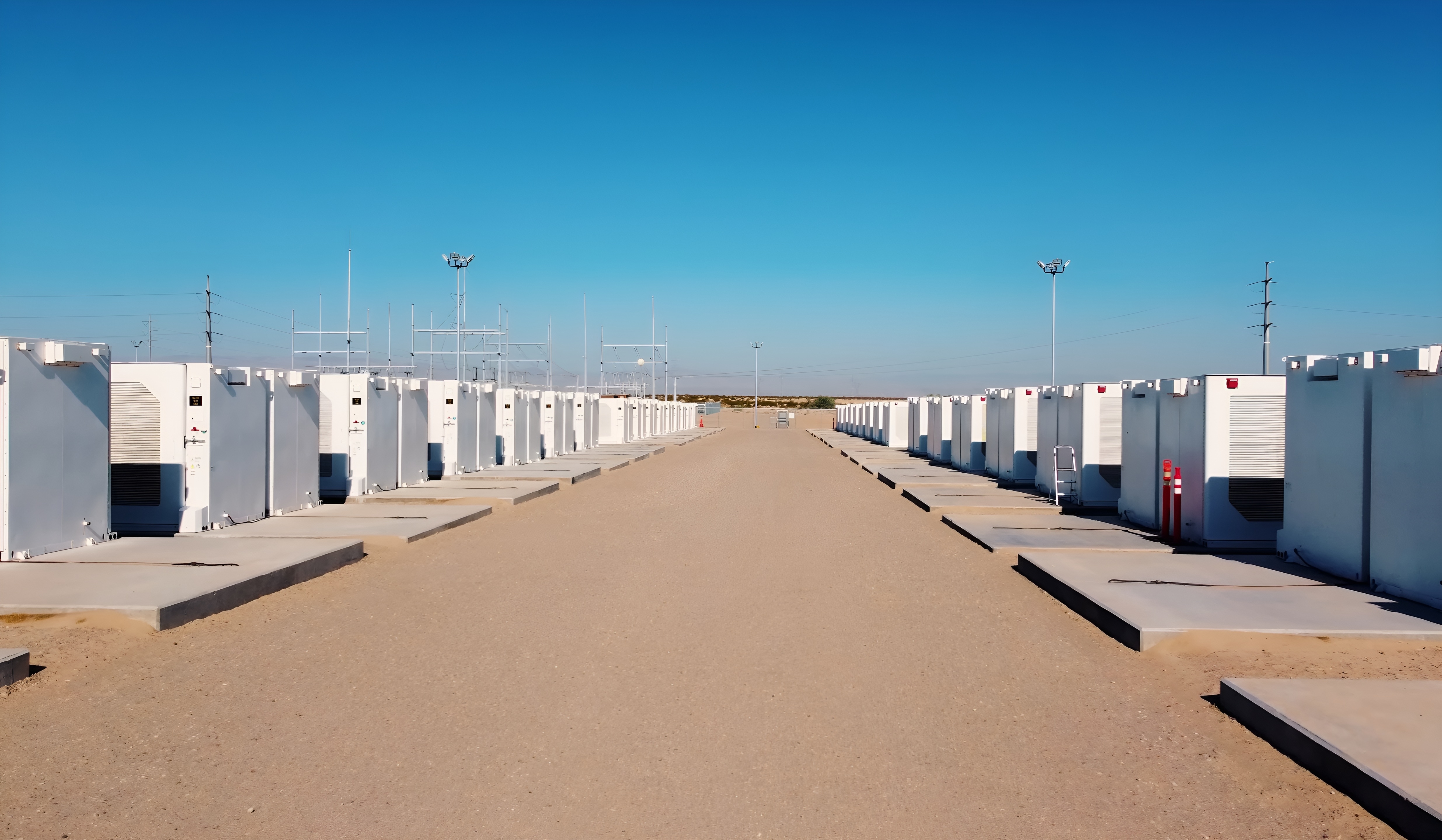
The first application round attracted 347 applications representing 156.4 GW of requested import capacity, predominantly from battery-storage projects, alongside numerous data centres. Those figures represent applications - not confirmed future consumption - but illustrate the scale of demand facing network operators. For developers, the implication is that engineering, permitting, procurement and financing expertise increasingly helps secure a connection in the first place, rather than merely supporting delivery after access has been agreed. (Amprion, 2026)
Hiring the Right Specialist Early Can Make or Break a Project
As grid access becomes more selective, specialist hiring moves earlier in the development cycle. UK projects need to connect strategic value with credible delivery; Spanish applicants need technically robust, competitive access cases; Dutch developers need expertise in congestion and flexibility; and German projects need demonstrable land, permitting, engineering and procurement maturity. The critical hires increasingly help determine whether a project can proceed—not simply how it will be built.
If you're looking for a specialist or a team-on-demand capable of driving your project forward in changing circumstances, schedule a call with us today. With hands on experience and localised knowledge of emerging challenges, CMC offers real people, real solutions and delivers real expertise.
References
Amprion. (n.d.). Reifegradverfahren: So lief die erste Antragsphase [Maturity-based procedure: How the first application phase went]. https://www.amprion.net/Netzjournal/Beitraege-2026/Reifegradverfahren-So-lief-die-erste-Antragsphase.html
Department for Energy Security and Net Zero. (2026, October 28). Accelerating electricity network connections for strategic demand (accessible webpage). GOV.UK. https://www.gov.uk/government/consultations/accelerating-electricity-network-connections-for-strategic-demand/accelerating-electricity-network-connections-for-strategic-demand-accessible-webpage
HM Treasury. (2026, October 28). The data centre covenant. GOV.UK. https://www.gov.uk/government/publications/data-centre-covenant/the-data-centre-covenant
Rijksdienst voor Ondernemend Nederland. (2026, May 22). Wat is netcongestie? [What is grid congestion?]. https://www.rvo.nl/onderwerpen/netcongestie/wat-netcongestie
Sánchez Molina, P. (2026, February 26). El primer concurso de capacidad de demanda adjudica 928 MW a grandes proyectos industriales [The first demand-capacity competition awards 928 MW to major industrial projects]. pv magazine España. https://www.pv-magazine.es/2026/02/26/el-primer-concurso-de-capacidad-de-demanda-adjudica-928-mw-a-grandes-proyectos-industriales/
TenneT. (n.d.). Netcongestie [Grid congestion]. https://www.tennet.eu/nl/themas/volle-netten
Rijksdienst voor Ondernemend Nederland. (2026, June 22). Maatregelen om het elektriciteitsnet sneller uit te breiden [Measures to expand the electricity grid more quickly]. https://www.rvo.nl/onderwerpen/netcongestie/maatregelen-om-het-elektriciteitsnet-sneller-uit-te-breiden
Related blog

06 Oct, 2026
20 May, 2026

29 Sep, 2025